Skin Type Guide
Skincare Routine for Dry Skin: A Complete Beginner's Guide
Build a simple, hydrating routine that actually works — step by step
Build a simple, hydrating routine that actually works — step by step
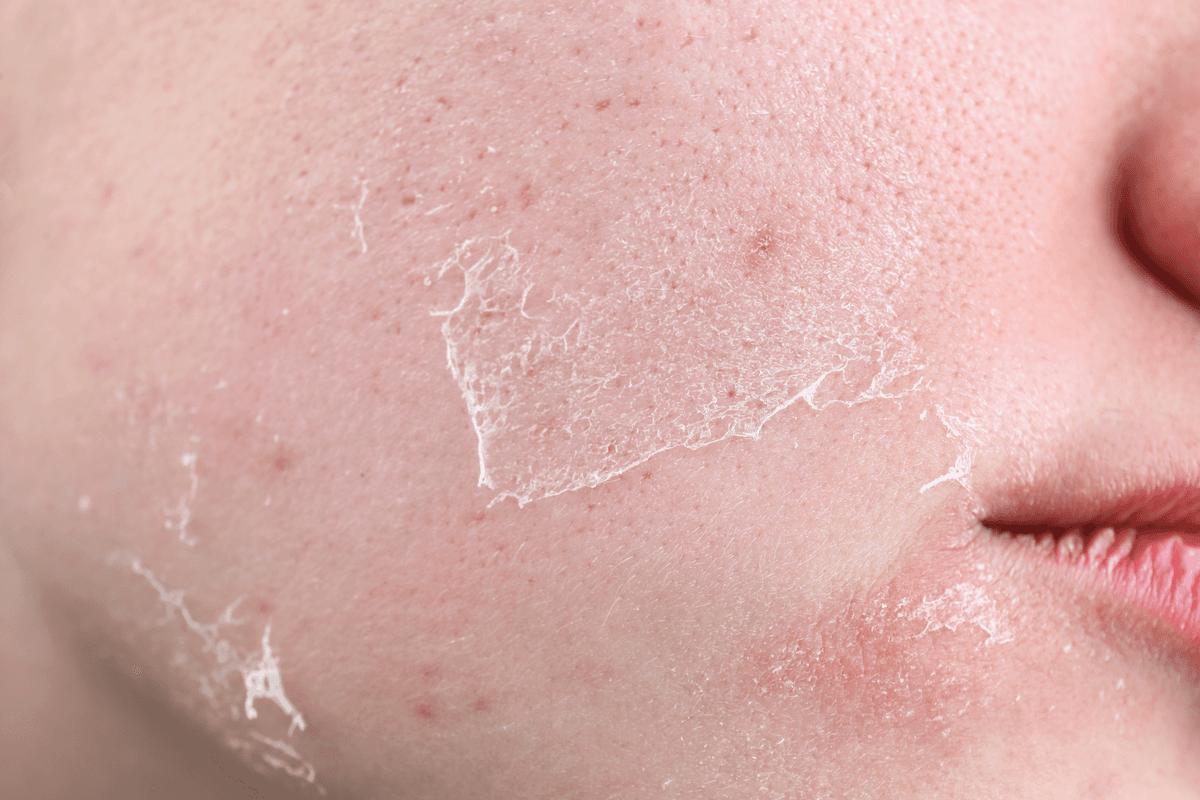
Quick Answer
Bottom line: A dry skin routine comes down to two priorities: don't strip what's left of your barrier, and lock in moisture before it evaporates. Three steps cover it — gentle cleanser, moisturizer on damp skin, SPF in the morning.
In this guide
These terms are often used interchangeably, but they describe different conditions — and the solution for each is different.
A genetic skin type where sebaceous glands produce less oil than average. Dry skin lacks lipids (fats) in the skin barrier, making it more prone to flaking, tightness, and fine lines. It's permanent and managed with the right products, not cured.
A temporary skin condition where skin lacks water — not oil. Any skin type can be dehydrated, including oily skin. Causes include over-cleansing, climate, diet, and stripping products. It's reversible.
Practical note: Most dry skin care advice applies to both. If your skin feels tight or flaky regardless of season, you likely have dry skin as a type. If the issue appears in winter or after a new product, dehydration is more likely — and easier to fix.
Your morning routine should hydrate and protect. Dry skin doesn't need an aggressive cleanse in the morning — a gentle wash or even a water-only rinse is often sufficient.
Use a cream or gentle foaming cleanser. If your skin feels fine from the previous night, a water rinse alone is enough — no need to cleanse twice a day with a surfactant-based product if your skin is very dry.
A hyaluronic acid or glycerin serum applied to damp skin adds an extra layer of hydration. Apply before moisturizer. Skip this step until your 3-step baseline is stable for 4+ weeks.
Apply within 60 seconds of cleansing while skin is still slightly damp. This traps water and significantly improves humectant absorption. For dry skin, choose a cream with ceramides and emollients — not a lightweight gel.
Final morning step. Use SPF 30 or higher. Look for a hydrating formula — some SPF products are formulated to work as a moisturizer + sunscreen in one step, which simplifies the routine for dry skin.
Dry skin tip: Choose sunscreens with a lotion or cream texture — gel and matte-finish formulas often contain alcohol or film-forming agents that can exacerbate dryness.
Nighttime is the most important window for dry skin. Your skin repairs and regenerates while you sleep — this is when a richer moisturizer and any optional treatments work best.
Remove sunscreen, makeup, and daily buildup with a gentle, non-stripping cleanser. Avoid hot water — it disrupts the skin barrier. If you wear heavy makeup or SPF, a double cleanse (oil cleanser first, then water-based cleanser) ensures thorough removal without needing a harsh surfactant.
Once your baseline routine is stable (4+ weeks), you can introduce a hydrating serum with hyaluronic acid or peptides PM. Avoid actives like retinol or AHAs until your barrier is strong — see the section below on when to add actives.
Use the same moisturizer as AM or a slightly richer formula at night. Apply to damp skin. For very dry skin, consider a separate occlusivde layer (a small amount of petrolatum or a barrier balm) over your moisturizer to prevent water loss overnight.
A thin layer of a non-comedogenic balm, facial oil, or petrolatum applied over your moisturizer acts as a seal to prevent transepidermal water loss overnight. This step is especially helpful for very dry or eczema-prone skin.
Why no night cleanser is sometimes fine: If you have very dry skin and are not wearing makeup or SPF (e.g., on a weekend at home), skipping the cleanser and going straight to moisturizer is acceptable. Over-cleansing is a more common mistake for dry skin than under-cleansing.
For dry skin, the goal is to attract water, hold it in the skin, and reinforce the lipid barrier that prevents water from escaping.
Three-function rule for dry skin products: Every moisturizer you use should ideally contain a humectant (attracts water), an emollient (softens and smooths), and an occlusive (seals water in). Look for products that hit all three — ceramides + hyaluronic acid + petrolatum or squalane is a classic combination.
Dry skin needs a cleanser that removes buildup without stripping lipids. Cream cleansers and gentle foaming formulas are the right call — avoid anything that leaves your skin feeling tight post-wash.
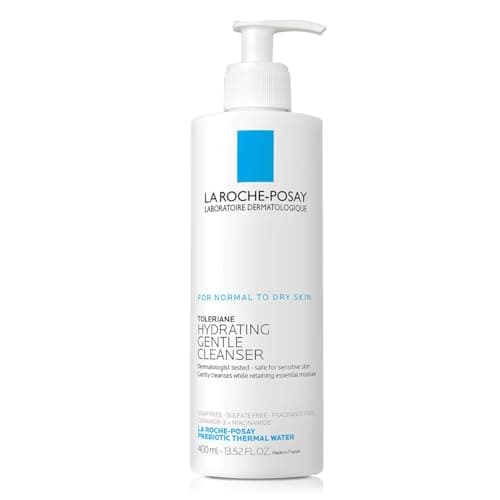
La Roche-Posay Toleriane Hydrating Gentle Face Cleanser
Cream cleanser with Ceramide-3, niacinamide, and prebiotic thermal water — won't strip dry or reactive skin.
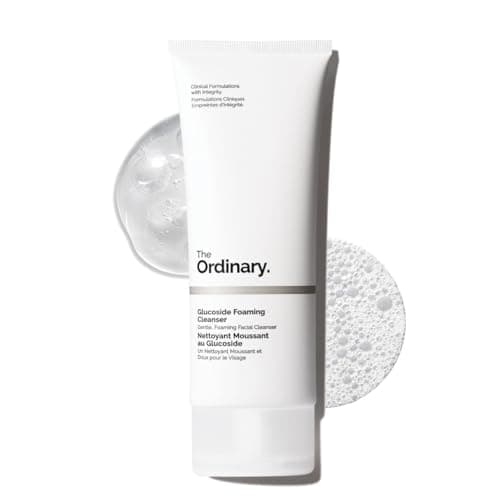
The Ordinary Glucoside Foaming Cleanser
Plant-derived surfactants, zero stripping — an Allure-winning gentle foaming cleanser safe for dry and sensitive skin.
Amazon affiliate links — check listing for current pricing and availability.
Moisturizer is the most important product in a dry skin routine. Choose ceramide-rich creams for daytime and richer formulas for night. Apply to damp skin immediately after cleansing.
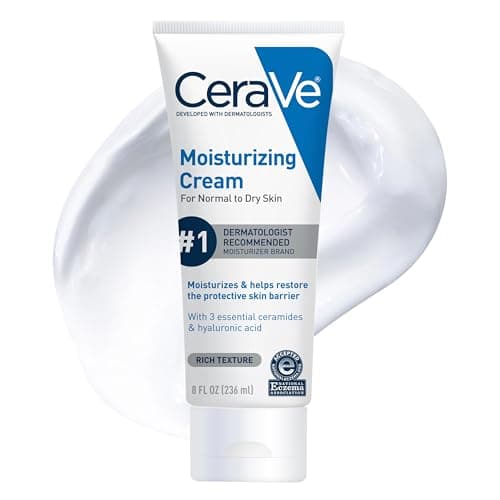
CeraVe Moisturizing Cream
Rich, non-greasy ceramide cream with MVE technology for long-lasting hydration — the NEA-accepted pick for dry skin.
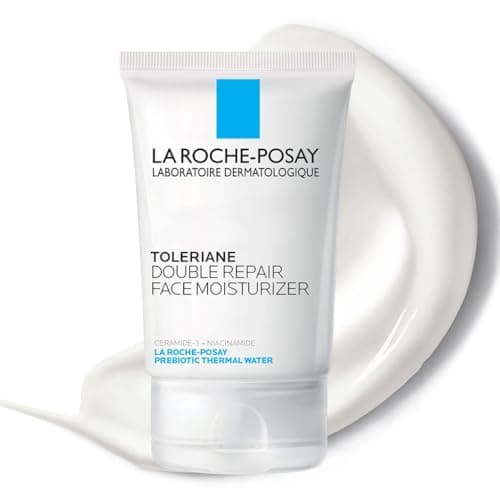
La Roche-Posay Toleriane Double Repair Face Moisturizer
Oil-free ceramide moisturizer that layers cleanly under sunscreen — best when you want barrier support without heaviness.
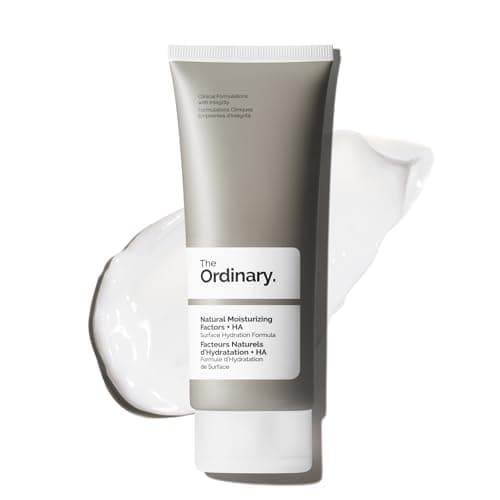
The Ordinary Natural Moisturizing Factors + HA
Amino acids, fatty acids, ceramides, and hyaluronic acid in a lightweight formula — excellent everyday hydration at a minimal price.
Amazon affiliate links — check listing for current pricing and availability.
Serums are optional for dry skin beginners. Once your cleanse-moisturize-SPF baseline is stable (4+ weeks), you can add a hydrating serum for extra moisture. Skip actives like vitamin C or retinol until your barrier is strong.
For dry skin, look for SPF formulas with a lotion or cream texture that add hydration alongside protection. Avoid alcohol-heavy formulas labeled “matte finish” — these are designed for oily skin. See our full guide to sunscreens for sensitive skin for more options.
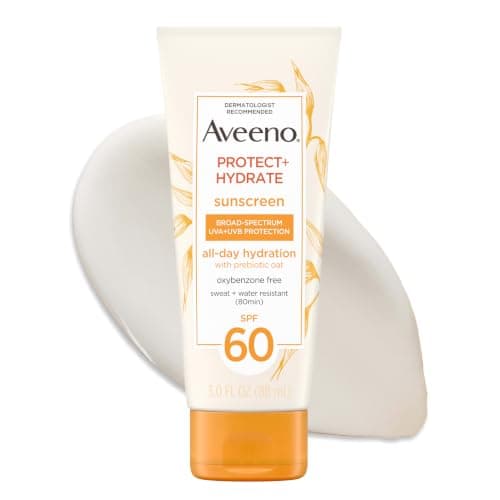
Aveeno Protect + Hydrate Face Sunscreen SPF 60
SPF 60 hydrating lotion that suits dry skin — oxybenzone-free, can double as a morning moisturizer.
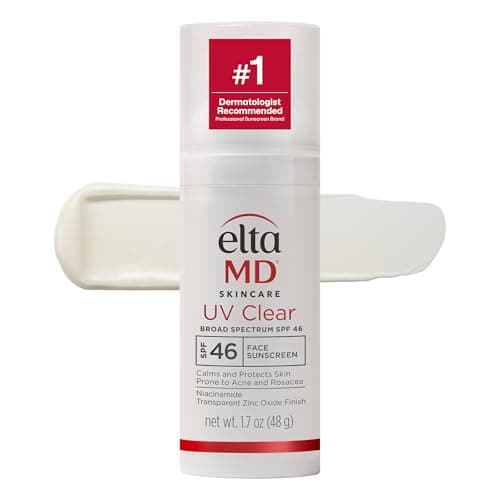
EltaMD UV Clear Broad Spectrum SPF 46
Zinc oxide + niacinamide + hyaluronic acid — the most derm-recommended daily SPF, light enough for all skin types.
Amazon affiliate links — check listing for current pricing and availability.
Dry skin can benefit from actives — but only once the barrier is stable. Adding retinol or AHAs before your skin has adjusted to a basic routine leads to irritation that's hard to attribute to any one product.
After 4 weeks of consistent cleanse + moisturize + SPF, your skin should feel comfortable and non-reactive. This is when you can introduce a hydrating serum (hyaluronic acid, peptides) — a low-risk first addition.
If barrier feels strong, you can introduce retinol at 0.025–0.05% once or twice a week, PM only. Sandwich it between layers of moisturizer to reduce irritation (moisturizer → retinol → moisturizer). Avoid AHAs on the same night.
Lactic acid (an AHA) is gentler than glycolic and better suited for dry skin because it also has humectant properties. Use at 5–10% concentration, no more than once a week. Never combine with retinol on the same night.
Rule of one: Introduce only one new product at a time and wait 14 days before adding another. Dry skin often reacts more slowly — 14 days gives enough time for any irritation to appear before you layer something new on top.
A reference overview of the dry skin routine at each stage.
| Step | AM | PM | Notes |
|---|---|---|---|
| Cleanser | Gentle wash or water rinse | Gentle cleanser (double cleanse if SPF/makeup) | Cream or gentle foaming only |
| Serum | Optional — hydrating HA/peptide serum | Optional — HA or peptide serum (no actives first 4 weeks) | Add only after 4-week baseline |
| Moisturizer | Ceramide cream to damp skin | Same or richer formula + optional occlusive | Apply within 60s of cleansing |
| SPF | SPF 30+ lotion/cream texture | Skip | Final AM step — required daily |
| Active (optional) | Skip (use PM only) | Retinol 1–2×/week or lactic acid 1×/week (after 8w+) | Never same night as exfoliant |
Building a dry skin routine doesn't require a long product list. The foundation — a gentle cleanser, a ceramide-rich moisturizer applied to damp skin, and daily sunscreen — is sufficient for most people and will produce noticeable improvements within 4–8 weeks of consistency.
Resist the urge to introduce too many products too quickly. Dry skin reacts to barrier disruption more visibly than other skin types, which can make a new routine look like it's making things worse before it gets better. Give each change 14 days and your routine 4 full weeks before evaluating results.
For next steps: once your barrier is stable, explore richer moisturizer options, check our full sunscreen guide for sensitive skin, or read our beginner skincare routine guide for a broader foundation.
Browse our curated product hubs for gentle cleansers, dry skin moisturizers, and hydrating sunscreens — all reviewed and organized by skin type.
Keep Reading
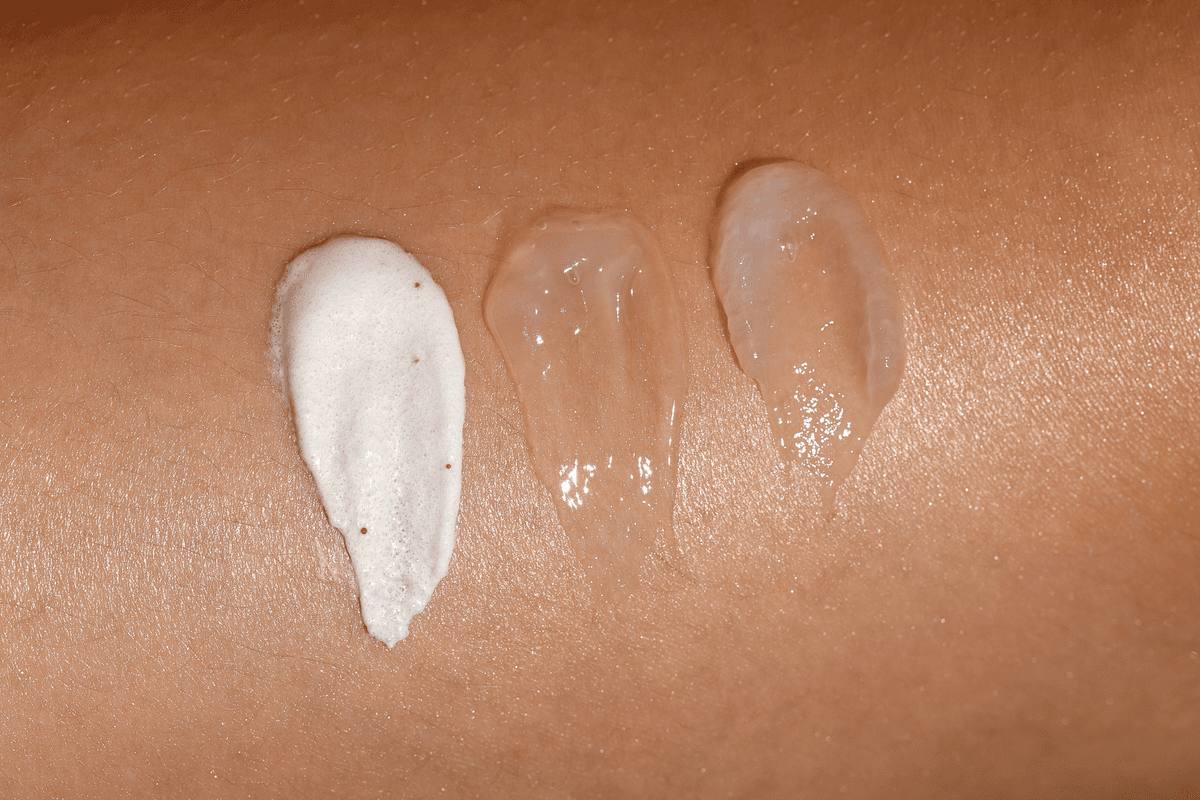
How to Layer Skincare Products
Learn the correct order to apply skincare products in the morning and at night, plus how to layer serums, treatments, moisturizer, and sunscreen without overwhelming your skin.
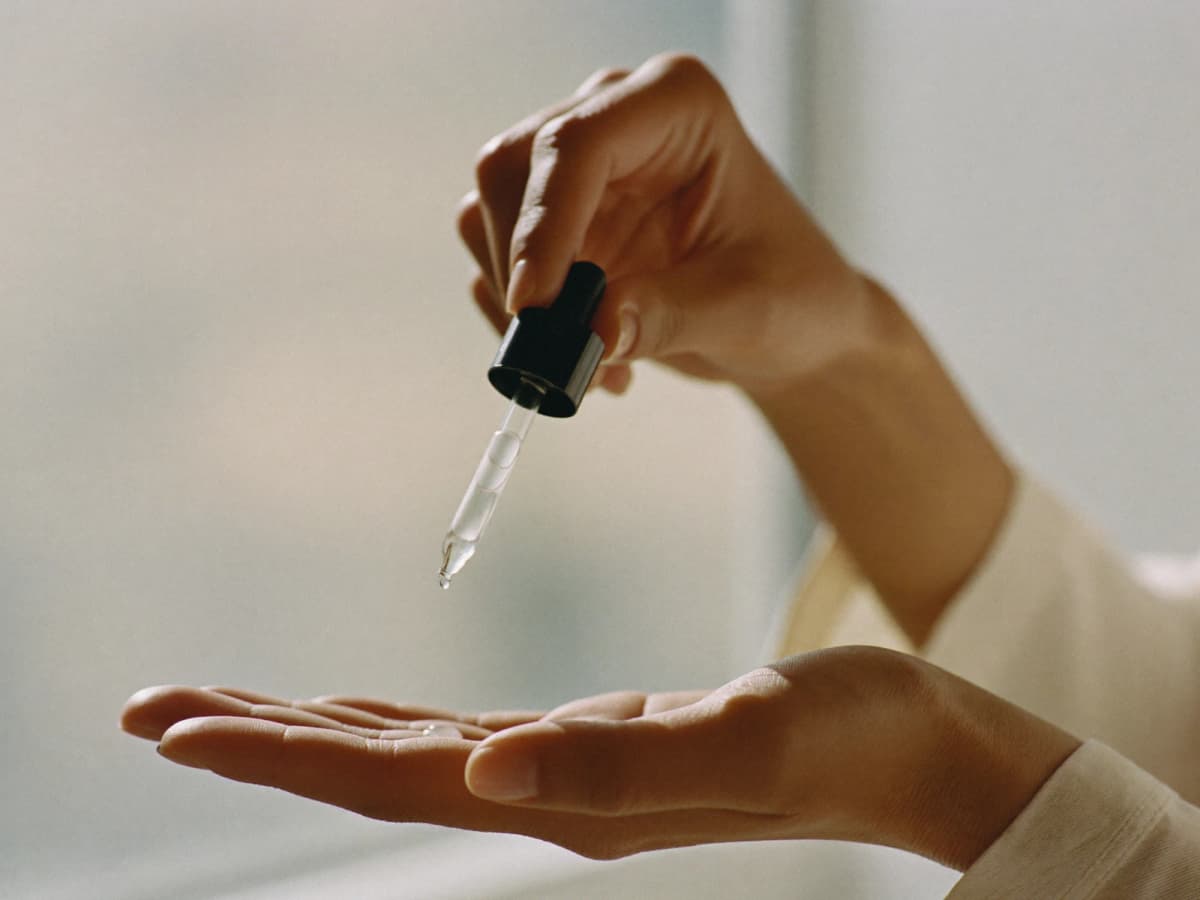
Beginner Retinol Serums That Won't Wreck Your Barrier
The barrier damage beginners blame on retinol is mostly avoidable. Pick a starter retinol serum by delivery system and barrier support — not percentage.

Sensitive Skin Routine: Why "Gentle" Products Still Wreck Your Face
"Gentle" and "for sensitive skin" aren't regulated claims. Here's what's actually irritating your skin — and why simplifying beats chasing the label.