Serums: Targeted Treatments Explained
Serums deliver concentrated active ingredients to address specific concerns like fine lines, hyperpigmentation, acne, or redness. They penetrate deeper and target problems at the source.
Browse our top picks below and compare features, or explore detailed serum reviews for in-depth analysis.
Top Picks by Concern
Our expert recommendations for targeted serum treatments.
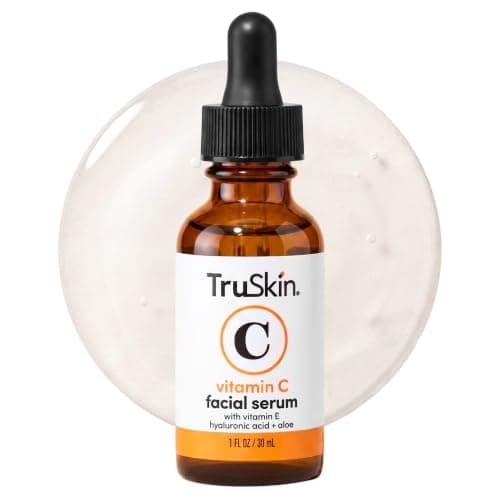
Best brightening serum for dark spots
TruSkin Vitamin C Serum
Best entry-level serum for dullness and mild dark spots—a plant-based formula that revitalizes skin.
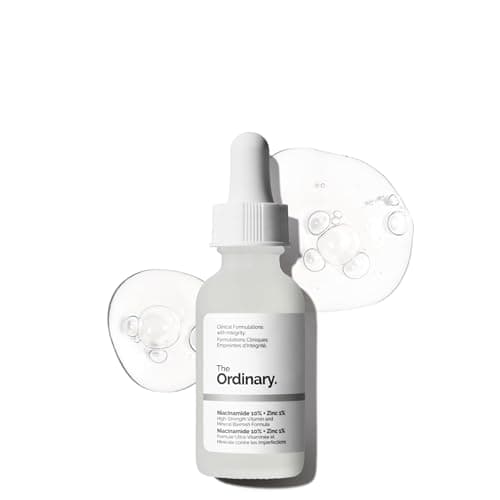
Best pore-refining serum for oily skin
The Ordinary Niacinamide 10% + Zinc 1%
Best for oily and blemish-prone skin—targets dullness, uneven texture, and minimizes pores effectively.
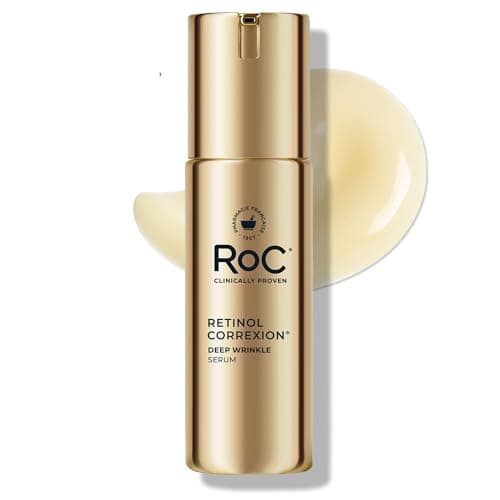
Best retinol for deep wrinkles
RoC Retinol Correxion Deep Wrinkle Serum
Best for mature skin—clinically proven to reduce deep wrinkles and fine lines. Allure Best of Beauty Winner.
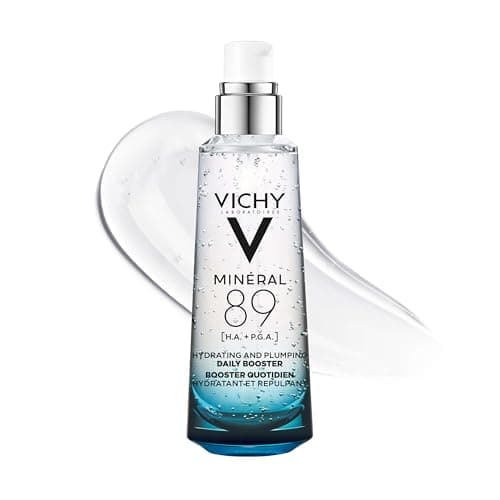
Best daily hydrating booster
Vichy Mineral 89 Probiotic Fractions
Best for sensitive or stressed skin—lightweight hydration that repairs the barrier with volcanic water and probiotics.
Feature Comparison
Compare key ingredients, price points, and suitability across all recommendations.
| Product | Best for | Fragrance-free | Oil-free | Cruelty-free | Plant-Based | Buy |
|---|---|---|---|---|---|---|
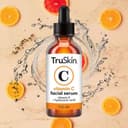 TruSkin Vitamin C Serum TruSkin Vitamin C Serum | Glow, Dark Spots | Yes | No | Yes | Yes | View on Amazon |
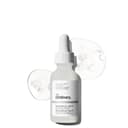 The Ordinary Niacinamide 10% + Zinc 1% The Ordinary Niacinamide 10% + Zinc 1% | Oily, Pores | Yes | Yes | Yes | Yes | View on Amazon |
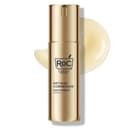 RoC Retinol Correxion Deep Wrinkle Serum RoC Retinol Correxion Deep Wrinkle Serum | Wrinkles, Aging | No | No | Yes | No | View on Amazon |
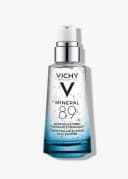 Vichy Mineral 89 Probiotic Fractions Vichy Mineral 89 Probiotic Fractions | Hydration, Barrier | Yes | Yes | No | Yes | View on Amazon |
Fragrance-free = no added fragrance or masking agents. Oil-free = no comedogenic oils. Cruelty-free = not tested on animals. Plant-Based = no animal-derived ingredients.
Disclosure: This article contains affiliate links. As an Amazon Associate I earn from qualifying purchases. This helps support our research and writing so we can keep reviews independent—no sponsors, no paid placements.
Serum Essentials
Getting the most from serums means understanding how to use them properly. Here are key considerations for effective serum application and selection:
Start with Lower Concentrations
Actives like retinol, vitamin C, and acids should be introduced at beginner-friendly concentrations to avoid irritation. Your skin needs time to build tolerance.
How to Layer Serums
Apply after cleansing on damp skin. Use thinnest serums first (water-based), then thicker ones (oil-based). Wait 30-60 seconds between each to allow absorption. Seal with moisturizer and sunscreen.
Single-Active vs Multi-Active Formulas
Single-ingredient serums are easier to test and layer. Multi-active formulas can be convenient but make it harder to identify what works or irritates. Start simple.
Frequently Asked Questions
Can I use more than one serum at the same time?
Yes, but limit yourself to two or three serums maximum to avoid overwhelming your skin. Layer from thinnest to thickest consistency and allow each to absorb before applying the next. Avoid combining certain actives like retinol with vitamin C or AHAs in the same routine to reduce irritation risk. When in doubt, alternate between AM and PM.
Master the order in our layering guide.
Do I apply serum before or after moisturizer?
Serums go before moisturizer. After cleansing (and toning if you use one), apply your serum to slightly damp skin. Give it 30-60 seconds to absorb, then follow with moisturizer to seal everything in. Moisturizer acts as a barrier that could prevent serum penetration if applied first.
Find your perfect pairing in our moisturizer guide.
Does every skin type need a serum?
No. Serums are treatment products that address specific concerns like dark spots, wrinkles, or dehydration. If your skin is healthy and you have no particular issues, a simple routine of cleanser, moisturizer, and sunscreen is sufficient. Serums are an optional enhancement, not a requirement for good skin health.
Build your foundation with our beginner routine guide.
Why is my serum causing irritation or stinging?
Irritation often comes from active ingredients like retinol, vitamin C, or acids, especially if your skin is not acclimated. Start with lower concentrations and use actives every other day until your skin builds tolerance. Irritation can also indicate a damaged moisture barrier; in that case, pause actives and focus on gentle hydration until skin recovers.
Repair and protect with our sensitive skin guide.
Can I skip serum and still have an effective skincare routine?
Yes. The core of any good routine is cleansing, moisturizing, and sun protection. Serums enhance results for specific goals but are not essential. Many people achieve healthy, clear skin with just the basics. Add serums when you want to target a particular concern like aging, texture, or uneven tone, not because you feel obligated.
Start with the essentials in our cleanser recommendations.
How long does it take to see results from a serum?
It depends on the active ingredient. Hydrating serums show immediate plumping effects. Vitamin C and niacinamide may show visible improvement in 4-8 weeks. Retinol typically requires 12 weeks or more for significant anti-aging results. Be patient and consistent; skin cell turnover takes time. Take photos monthly to track progress objectively.
Protect your results with daily sun protection.