Moisturizers: The Foundation of Healthy Skin
A good moisturizer supports your barrier, helps your skin retain water, and creates a stable foundation for everything else you apply. The right formula depends on your skin type, climate, and what other treatments you're using.
Browse our top picks below, compare features, or read our moisturizer guide for detailed reviews.
Our Top Picks
Expert-vetted winners for every skin type.
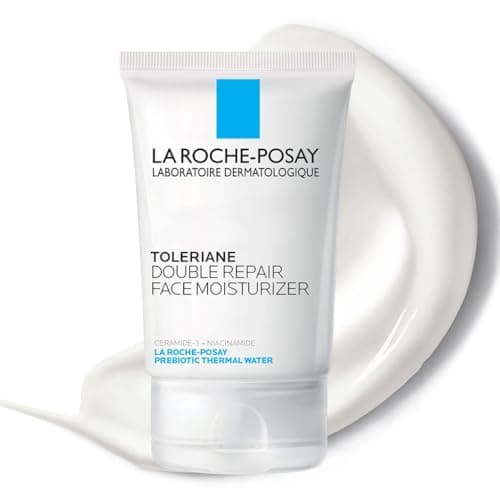
Best daily moisturizer for sensitive skin
La Roche-Posay Toleriane Double Repair
Best for daily use—oil-free, lightweight moisturizer that helps support the skin barrier and layers well under sunscreen.
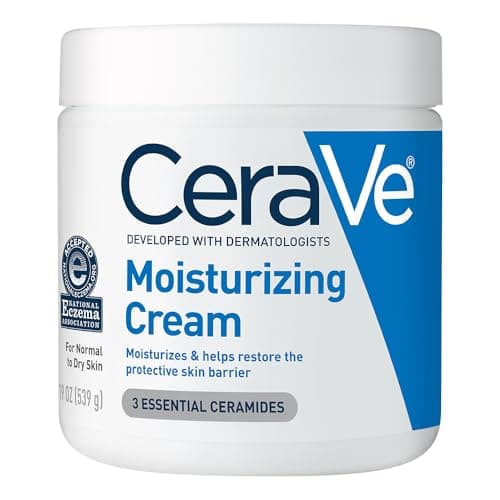
Best heavy-duty moisturizer for dry skin
CeraVe Moisturizing Cream
Best for dry to very dry skin—rich, non-greasy cream that delivers long-lasting hydration and barrier support.
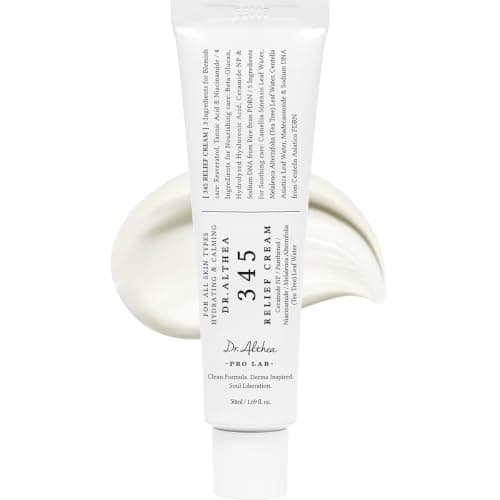
Best soothing gel-cream for acne-prone skin
Dr. Althea 345 Relief Cream
Best for acne-prone or irritated skin—a lightweight gel-cream that helps calm the look of redness without heaviness.
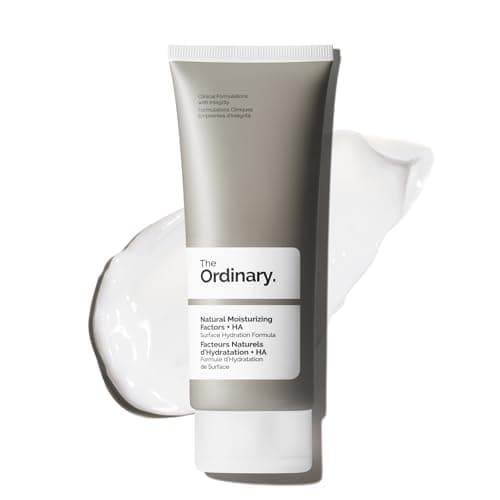
Best simple moisturizer for all skin types
The Ordinary Natural Moisturizing Factors + HA
Best no-nonsense option—supports everyday hydration without feeling greasy or heavy.
Compare Features
See how our picks stack up — find the right moisturizer in seconds.
| Product | Best for | Fragrance-free | Oil-free | Cruelty-free | Plant-Based | Buy |
|---|---|---|---|---|---|---|
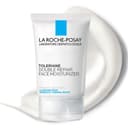 La Roche-Posay Toleriane Double Repair La Roche-Posay Toleriane Double Repair | Sensitive, Daily | Yes | Yes | No | No | View on Amazon |
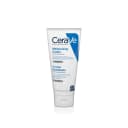 CeraVe Moisturizing Cream CeraVe Moisturizing Cream | Dry, Very Dry | Yes | Yes | No | No | View on Amazon |
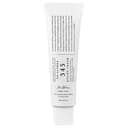 Dr. Althea 345 Relief Cream Dr. Althea 345 Relief Cream | Acne-prone, Redness | Yes | No | Yes | Yes | View on Amazon |
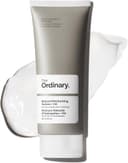 The Ordinary Natural Moisturizing Factors + HA The Ordinary Natural Moisturizing Factors + HA | All types, Budget | Yes | Yes | Yes | Yes | View on Amazon |
Fragrance-free = no added fragrance or masking agents. Oil-free = no comedogenic oils. Cruelty-free = not tested on animals. Plant-Based = no animal-derived ingredients.
Disclosure: This article contains affiliate links. As an Amazon Associate I earn from qualifying purchases. This helps support our research and writing so we can keep reviews independent—no sponsors, no paid placements.
How to Choose
Cream vs Gel vs Lotion
Creams are thicker and more occlusive—best for dry or compromised skin. Gels are lightweight and water-based—ideal for oily or acne-prone skin. Lotions are a middle ground: more hydrating than gels but lighter than creams.
Occlusives, Humectants, and Emollients
The best moisturizers use all three: humectants (like glycerin and hyaluronic acid) pull water in, emollients (like squalane and ceramides) smooth and soften, and occlusives (like petrolatum and dimethicone) seal everything in.
When Simple is Better
If your skin is reactive or you're using strong actives elsewhere in your routine, a simple, fragrance-free moisturizer is often the best choice. Sometimes less is more—your barrier will thank you.
Frequently Asked Questions
Does oily skin still need a moisturizer?
Yes. Skipping moisturizer can actually make oily skin worse by triggering more oil production to compensate for dehydration. The key is choosing a lightweight, oil-free formula like a gel or lotion that hydrates without adding shine. Look for ingredients like hyaluronic acid and niacinamide that balance hydration and oil control.
See our lightweight picks in the comparison table above.
Can I use a moisturizer without a serum?
Absolutely. Serums are optional treatment products that target specific concerns. A basic routine of cleanser, moisturizer, and sunscreen is effective for maintaining healthy skin. If you do not have specific issues like hyperpigmentation or fine lines to address, a good moisturizer alone can provide sufficient hydration and barrier support.
Learn when serums make sense in our serum guide.
What is the difference between a gel moisturizer and a cream?
Gel moisturizers are water-based, lightweight, and absorb quickly, making them ideal for oily or combination skin. Creams contain more emollients and occlusives, providing richer hydration for dry or mature skin. Gel-creams offer a middle ground. Choose based on how much moisture your skin needs and how the texture feels throughout the day.
Match your skin type with our routine builder guide.
Why does my moisturizer feel heavy or greasy on my skin?
A heavy or greasy feeling usually means the formula is too rich for your skin type or climate. In humid weather, switch to lighter textures. You may also be applying too much product or not allowing previous layers to absorb. Try using a pea-sized amount and patting it in rather than rubbing. If the issue persists, choose a different formula.
Master layering techniques in our product layering guide.
Can moisturizer cause breakouts?
Yes, if it contains comedogenic ingredients or is too heavy for your skin type. Look for products labeled non-comedogenic and avoid heavy oils like coconut oil if you are acne-prone. Fragrance and certain emulsifiers can also trigger breakouts in sensitive skin. If you suspect your moisturizer is causing issues, simplify and test one product at a time.
Explore acne-safe options for acne-prone skin.
Should I apply moisturizer to damp or dry skin?
Applying moisturizer to slightly damp skin can enhance absorption and help lock in hydration. This is especially effective for products containing humectants like hyaluronic acid, which draw water into the skin. Pat your face with a towel after cleansing to leave it damp, then apply moisturizer immediately for best results.
Start with the right cleanser for your skin type.