The order you apply skincare products matters more than you might think. Learn how to layer skincare products correctly so each one absorbs properly, works as intended, and doesn't interfere with other treatments in your routine. Whether you're using a simple three-step routine or a more complex regimen with actives and serums, understanding product layering helps you maximize results and minimize irritation.
Bottom line: Apply products thinnest to thickest — lightest molecules first so they can penetrate, heavier ones seal them in. Getting the order backward either blocks absorption or degrades your SPF.
Morning order: cleanser → toner (optional) → serum → moisturizer → sunscreen (always last, nothing on top)
Evening order: cleanser → toner (optional) → serum/active → moisturizer → face oil or occlusive
One rule to never break: sunscreen is the final morning step — oil, moisturizer, or anything on top degrades the SPF
Skincare layering is the practice of applying multiple skincare products in a specific order so each one can work effectively. It is not simply about how many products you use, but about the sequence and how you combine them.
Product order matters because texture, ingredients, and molecular weight affect how products absorb into skin. Dermatology guidelines recommend applying products from thinnest to thickest consistency so each layer can reach the skin without being blocked.[1] Applying a heavy moisturizer before a lightweight serum, for example, creates a barrier that prevents the serum from absorbing. The right order ensures:
•Each product absorbs properly without being blocked
•Actives and treatments reach where they need to go
•Irritation risk stays low
•Your routine feels comfortable to use
What Is the General Rule for Skincare Product Order?
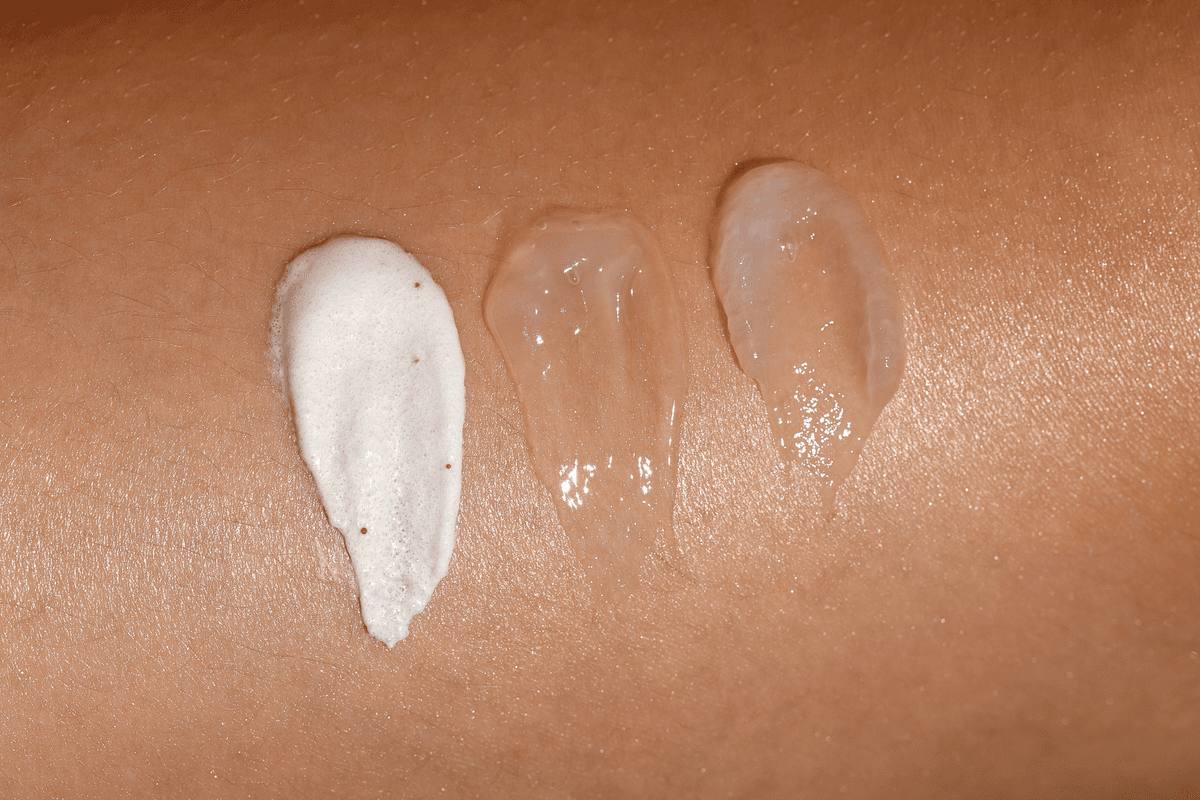
The foundational principle is simple: apply products from lightest to heaviest texture. Lightweight, water-based products go on first, followed by progressively heavier textures.
Here's why this matters: if you apply an oil before a serum, the oil creates a barrier on your skin's surface. The serum can't penetrate through that oil barrier. Applying in the right order ensures each product can do its job.
Not every routine needs every step. Start with the essentials (cleanser, moisturizer, sunscreen) and add treatments or serums only if your skin needs them.
What Order Should You Apply Skincare in the Morning?
Morning routines are typically simpler because they focus on protection and preparation for the day. The goal is to hydrate, protect, and prepare your skin for makeup (if worn) and sun exposure.
→ Beginner AM Routine
1.
Gentle Cleanser
Rinse with lukewarm water or use a hydrating gel cleanser. This removes overnight oil and prepares skin for the rest of your routine.
2.
Hydrating Serum (optional)
Apply a lightweight serum like hyaluronic acid or niacinamide while skin is still slightly damp. This boosts hydration before moisturizer.
3.
Lightweight Moisturizer
Apply a gel or lotion formula that won't feel heavy under makeup. Pat gently to absorb.
4.
Sunscreen (SPF 30+)
Apply last, after moisturizer has absorbed. Sunscreen is non-negotiable and must be the final step before makeup or sun exposure.
What Order Should You Apply Skincare at Night?
Evening routines can be more thorough because your skin isn't exposed to sun and you have time for treatments to work overnight. This is where you can layer serums, actives, and heavier formulas.
→ Beginner PM Routine
1.
Cleanser
Use your preferred cleanser to remove makeup, sunscreen, and daily buildup. Take time to cleanse thoroughly.
2.
Hydrating Toner or Essence (optional)
Apply while skin is still slightly damp. This hydrating layer helps other products absorb better and preps skin.
3.
Treatment or Active (optional)
This is where retinoids, niacinamide serums, or vitamin C go. Apply to clean, dry skin and wait a few minutes before moving to the next step if needed.
4.
Moisturizer
Use a richer cream formula at night. Moisturizer helps seal in treatments and hydrate deeply.
5.
Face Oil or Occlusive (optional)
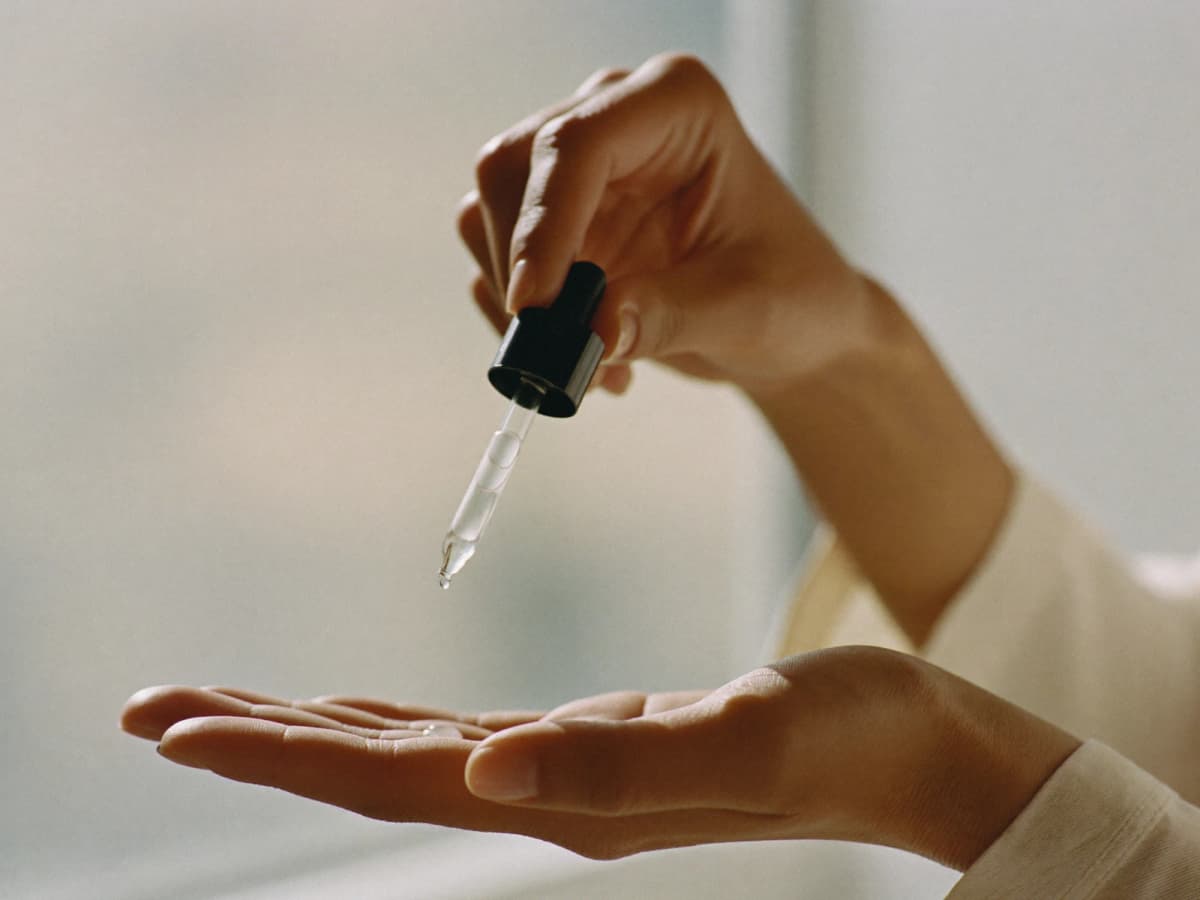
If your skin is very dry, add a few drops of face oil or a richer occlusive balm as the final step. This locks in hydration overnight.
Where Does Each Skincare Product Type Go in Your Routine?
Cleansers
Where: Always first, on completely dry skin. Why: Cleansers remove oil, makeup, dirt, and dead skin cells. They need to come before any other product so they can do their job effectively. After cleansing, skin is the most receptive to other treatments.
Toners and Essences
Where: After cleanser, on damp or slightly damp skin. Why: Toners and essences are lightweight, water-based products designed to hydrate and prime skin. Applying them to damp skin helps them absorb and hydrate more effectively. They're often optional but can help layer hydration.
Serums
Where: After toner, before moisturizer, on clean skin. Why: Serums are concentrated formulas designed to penetrate deeply. Because they're typically lighter than moisturizers, they go before. Popular serums include hyaluronic acid (hydrating), niacinamide (balancing), and vitamin C (brightening). Serums should absorb before you layer moisturizer on top.
Spot Treatments
Where: On clean skin before other products, or mixed into moisturizer. Why: Spot treatments like acne treatments or targeted correctors are designed to work on specific areas. Applying them on clean skin ensures they can target the area effectively. Some people apply moisturizer, then add spot treatment on top if they want a gentler approach.
Moisturizers
Where: After serums and treatments, before oils or sunscreen. Why: Moisturizers lock in hydration from previous steps. They're typically heavier than serums, so they go on after lighter products. Morning moisturizers are usually lightweight; evening moisturizers can be richer. Always apply moisturizer to a clean, slightly damp face for best absorption.
Face Oils
Where: Last in PM routines only, after moisturizer. Why: Face oils are occlusive, meaning they seal moisture into skin. Applying them last prevents them from blocking other products. Use sparingly—just a few drops on damp skin. Face oils should never go in AM routines before sunscreen, as they can interfere with SPF efficacy.
Sunscreen
Where: Last in AM routines, after all other products. Why: Sunscreen must be the final step in the morning to create a protective barrier on skin's surface. It should be applied after moisturizer has absorbed. Never skip sunscreen to avoid disrupting the layer of protection. Reapply every 2 hours if outdoors or after water exposure.
How Do You Layer Active Ingredients Without Irritation?
Active ingredients—like retinoids, vitamin C, AHAs, and BHAs—are powerful. When used correctly, they can improve skin significantly. But layering multiple actives requires care.
The key principle: start with one active, then add others gradually if your skin tolerates it. Not every active should be combined in the same routine. Over-layering actives can cause irritation, sensitivity, and damaged skin barrier.
Guidelines for Layering Actives
•Introduce one at a time: Add a new active only after your skin has adapted to the previous one (typically 2–4 weeks)
•Know your skin's tolerance: Some skin types tolerate actives better than others. Sensitive skin may need fewer actives or lower concentrations
•Start low, go slow: Use lower concentrations or frequencies first (e.g., retinoid 2–3x per week), then increase if tolerated
•Avoid stacking incompatible actives: Some ingredients shouldn't be used together (e.g., retinoids and vitamin C can reduce each other's efficacy)
•Use actives on calm, healthy skin: If your skin is irritated, compromised, or sensitive, pause actives until skin recovers
•Patch test new actives: Apply to a small area first to check for reaction before full application
If you're not sure how to layer a specific active, consult product instructions or dermatologist guidance. The safest approach is to keep routines simple and add complexity only as your skin shows it can handle it.
Common Skincare Layering Mistakes
✗Applying sunscreen before moisturizer: Sunscreen should always go last in the AM routine to ensure protection works properly.
✗Using too many actives at once: Layering retinol, vitamin C, and AHA in the same routine can overwhelm skin and cause irritation.
✗Copying advanced routines too quickly: Influencer routines with 10+ steps aren't appropriate for beginners. Master basics first.
✗Assuming more products = better results: A simple, consistent routine often works better than a complicated one with too many products.
✗Skipping moisturizer on oily skin: Oily skin still needs hydration. Use a lightweight, oil-free moisturizer instead of skipping it entirely.
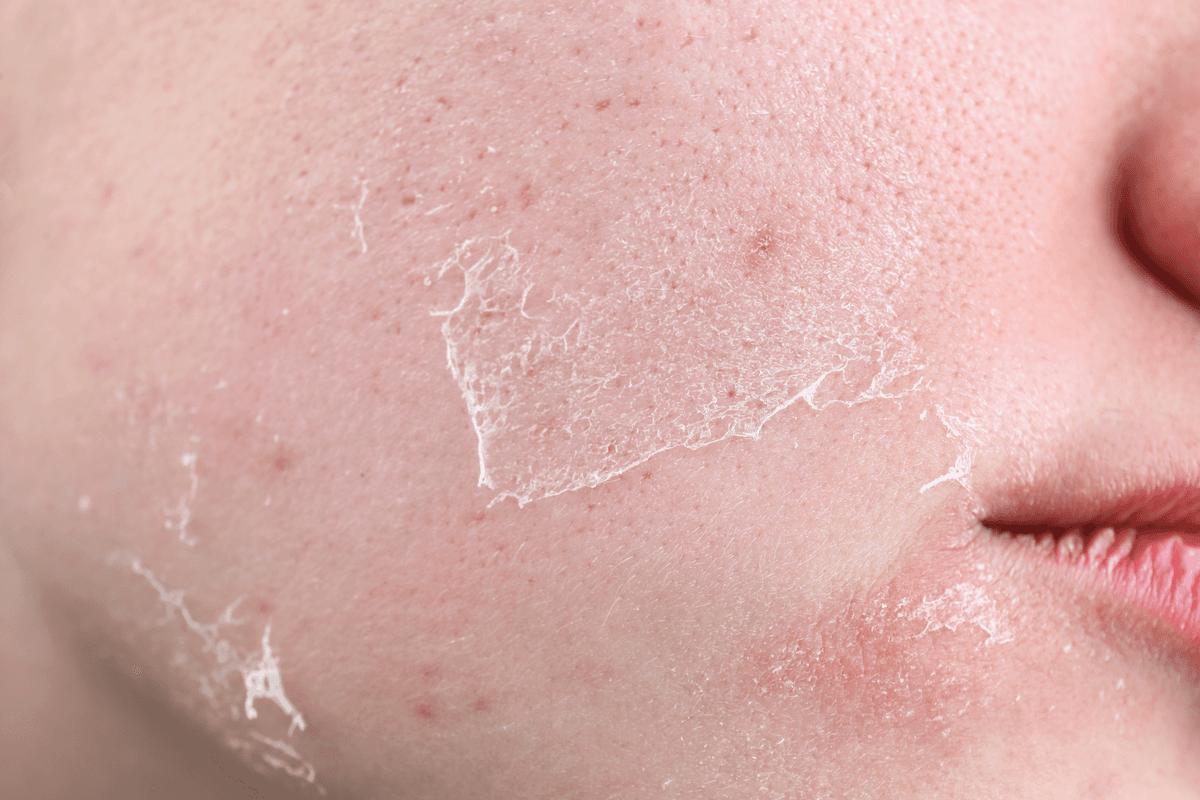
✗Ignoring signs of irritation: Redness, stinging, or sensitivity means your routine is too aggressive. Scale back and simplify.
✗Applying products to completely dry skin: Some products (like toners and hydrating serums) absorb better on slightly damp skin.
✗Layering heavy oils before lighter products: Always go lightest to heaviest texture to prevent barrier blocking.
How to Simplify Your Routine if Your Skin Feels Overwhelmed
If your skin is red, tight, sensitive, or irritated, your routine is too aggressive. The solution isn't more products—it's fewer.
This gives your skin a break from active ingredients and lets your skin barrier recover. Once your skin feels calm and healthy again (usually 1–2 weeks), you can gradually introduce treatments or serums back in, one at a time.
Pro tip: Keep a simple "reset" routine in your mental toolkit. When skin acts up, you know exactly what to do: strip everything back to the essentials, let skin recover, then rebuild thoughtfully.
Do / Don't
Do
Wait 60–90 seconds after applying a serum before applying moisturizer — applying moisturizer immediately traps the serum at the surface before it penetrates, reducing contact time with deeper skin layers where active ingredients do their work.
Apply toners and hydrating essences to damp (not wet) skin — this improves humectant uptake without diluting active ingredients with excess residual water.
Apply retinol on fully dry skin (wait 5–10 min post-cleanse) — this slows penetration rate and reduces the localized irritation that causes most beginners to abandon the ingredient.
Reserve face oils exclusively for PM routines as the very last step — applied in the AM over sunscreen, oils physically separate UV filters from skin contact, degrading actual SPF protection.
Don't
Don't apply face oil before sunscreen in the morning — oils are occlusive and break down UV filter distribution on skin, reducing effective SPF to an unmeasured but significant degree below the label.
Don't layer retinol + AHA + vitamin C in the same PM routine — this strips the stratum corneum faster than it can regenerate, causing persistent redness and reactivity that can take weeks to resolve.
Don't apply heavy moisturizer before a lightweight serum — rich creams contain occlusives (dimethicone, shea, mineral oil) that form a film; the serum stays on the surface and washes off without penetrating.
Don't introduce multiple new products in the same week — if a reaction occurs, you cannot identify which product caused it, forcing removal of all additions and restarting the introduction process.
How to Choose (Based on Your Case)
If
your skin is reactive or sensitized right now
Layer only cleanser, moisturizer, and sunscreen (AM); remove all actives
Because: sensitized skin cannot distinguish between beneficial and irritating stimuli; stripping back to basics for 14 days allows barrier function to recover before reintroducing any active
If
you use retinol
Apply it as the treatment step (after cleansing, before moisturizer), on dry skin only, at night
Because: wet skin increases retinol penetration rate, raising irritation risk; applying before moisturizer ensures maximum skin contact before the occlusive layer seals the surface
If
you use vitamin C
Apply vitamin C as your morning serum on clean, bare skin — before moisturizer
Because: vitamin C (ascorbic acid) is pH-dependent and most effective at pH 2.5–3.5; applying it first on bare skin maximizes absorption before the moisturizer's buffering effect raises surface pH
If
you want to use both vitamin C (AM) and retinol (PM)
Use vitamin C in your morning routine and retinol in your evening routine — do not combine in the same session
Because: this is the safest and most effective active-stacking structure; both work in their respective sessions without pH interference or degradation of either molecule
If
you want to add a new active to your existing routine
Add the new active as the sole new element, 2× weekly for 2 weeks, before increasing frequency
Because: starting at low frequency lets you observe skin's response without the confound of concurrent adaptation to a new routine; you can identify tolerance thresholds before committing to daily use
Layering Actives: Speed vs. Skin Stability
The more actives you layer in a single session, the faster you approach results — and the faster you approach the irritation threshold that makes the routine unsustainable. The safest active-stacking strategy separates ingredients by session (AM vs PM) rather than stacking them sequentially in the same routine.
Strategy
Example
Benefit
Risk
One active per session
Vitamin C (AM) / Retinol (PM)
Lowest irritation, easy to track
Slower results per session
Two compatible actives
Niacinamide + Retinol (PM)
Niacinamide buffers retinol irritation
Low — this combination is well-tolerated
Alternating actives by night
Retinol Mon/Wed, AHA Fri
Both actives active, no overlap
Requires planning, lower frequency per active
Stacking incompatible actives
Retinol + AHA + Vitamin C (same PM)
None — ingredients interfere
High — barrier damage, prolonged sensitization
Key Takeaways
The lightest-to-heaviest rule exists because occlusive ingredients (oils, rich creams) form a physical barrier that blocks subsequent water-based products from penetrating the stratum corneum.
Sunscreen is always the final morning step — applying products over sunscreen dilutes UV filter concentration, reducing effective SPF below the value stated on the label.
Vitamin C and retinol are best applied on alternate sessions (vitamin C AM, retinol PM) because ascorbic acid at pH 2.5–3.5 degrades retinol and increases surface sensitization when stacked.
Face oils belong only in PM routines as the last step — applied in the AM before sunscreen, they break down UV filter distribution and reduce actual protection.
Each additional active in a single routine increases irritation load and makes cause-and-effect impossible to determine; separate actives by session rather than stacking them.
Frequently Asked Questions
Sources
[1]American Academy of Dermatology (AAD). How to apply skincare products in the correct order. View source
[2]British Association of Dermatologists (BAD). Skincare product application guidance. View source
[3]National Eczema Association (NEA). Moisturizers and skin barrier protection. View source
Final Thoughts
Layering skincare correctly doesn't require a complicated routine or dozens of products. The fundamental principle is simple: apply from lightest to heaviest texture, be consistent, and listen to your skin. Start with the essentials—cleanser, moisturizer, and sunscreen—and add complexity only when your skin asks for it.
As you build your routine, monitor how your skin responds. If it feels healthy, hydrated, and calm, your layering order is working. If you notice irritation, sensitivity, or dryness, simplify and reassess. Your skin will thank you for the thoughtful approach.
Related Reading
Continue your skincare journey with these related guides: